



Ashwagandha (Withania somnifera) is an ancient herb that's been used for thousands of years in traditional medicine. This versatile adaptogen has become more popular as a modern solution to help the body maintain balance amid busy routines.1
It comes in various supplement forms, from gummies and drink powders to teas and functional drinks. This makes it easy to incorporate into your wellness ritual.
But when is the best time to take ashwagandha? Find the answer to this question below, along with tips for using the herb to support calm, healthy sleep and immune health.
Key takeaways:
- Ashwagandha can be taken in the morning, midday or evening, depending on your personal routine and wellness goals.
- Different formats, such as gummies, powders and adaptogenic drinks, offer flexible options to fit any schedule and lifestyle.
- Choosing the right timing is personal and can be guided by lifestyle preferences.
When to take ashwagandha: morning, midday or evening?
The best time to take ashwagandha depends on your lifestyle, preferences and health goals. Let's go over why someone might choose to take it in the morning, in the middle of the day or in the evening.
Morning for overall wellness
Research shows that ashwagandha may support the nervous system, immune system, heart and bone health, making it a good option when the goal is overall wellness.2,3 To feel the whole-body health benefits, including specific ashwagandha benefits for women, and support general well-being, incorporate the adaptogen into your morning routine.
Consider an electrolyte powder with magnesium and body-supporting botanicals. Mix the pre-portioned packet into a glass of water or blend it into your morning smoothie for a hydrating boost.
Midday for balance and calm
Adaptogens like ashwagandha support homeostasis. This process is how the body regulates itself to help it function properly and maintain balance.4,5 Some people take this herbal supplement in the middle of the day to support a healthy mood and sense of well-being.6,7
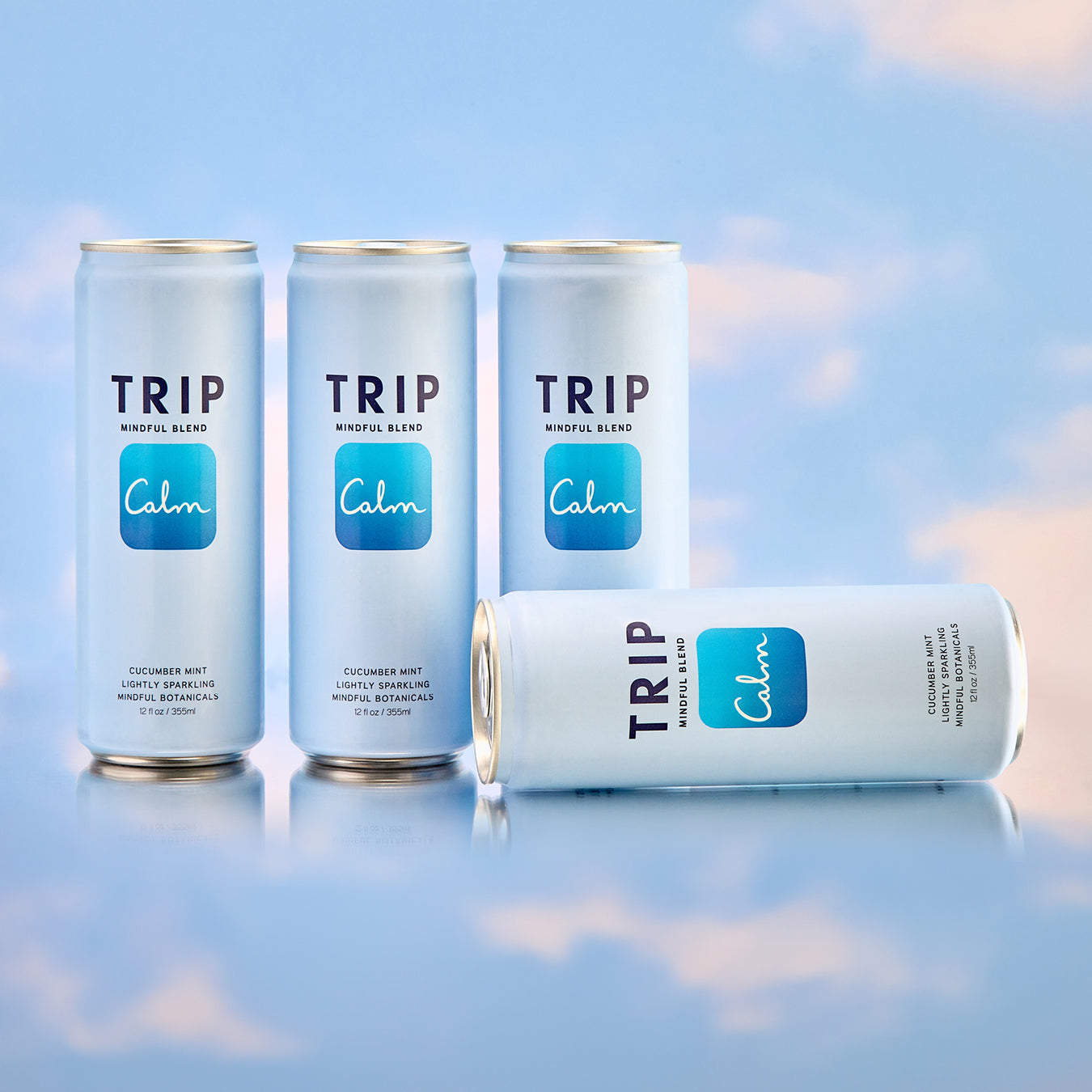
Ideal for busy schedules, TRIP's convenient ashwagandha gummies can be kept at your desk or taken on the go. Or reach for a Mindful Blend sparkling drink as a midday refresher. The magnesium in every can supports a sense of calm*.
Evening for mindful relaxation
Ashwagandha can also be used in the evening as part of your wind-down routine. The herb has been shown to help support a healthy sleep routine.6
Ready-to-sip magnesium drinks are perfect for decompressing after a long day. Before bed, you might whip up a nighttime mocktail with ashwagandha powder to help you relax, wind down and get in the zone as your pre-sleep ritual*.8
TRIP products to fit any routine
TRIP plant-based supplements and adaptogenic drinks are tasty, convenient, and easy to use as part of your everyday routine. These are great options if you're exploring the efficacy and safety of ashwagandha:
- Gummies: Chewable, juicy, fruit-flavored gummies are portable and versatile. Take two in the morning, during your workday, or at any other time throughout the day.
- Powder: Ashwagandha single-serve powder packets can be mixed with plain water or sparkling water or blended into a smoothie. Use this product in the morning, for wind-down mocktails.
- Mindful Blend drinks: Just the thing for a midday refresher or evening wind-down ritual, TRIP's beverages support calm and relaxation with magnesium and plant-based botanical extracts*.
As always, check with your healthcare provider regarding the safety of ashwagandha, whether in gummy or powder form, before adding any new supplement to your routine.
Flexible wellness with TRIP
Ashwagandha can help those looking to support a sense of calm, relax at the end of the day, work on healthier sleep or feel more balanced overall*. Whether you have a particular health goal in mind or are focused on whole-body well-being, this adaptogenic herb is easy to fit into your daily ritual*.
TRIP has versatile, convenient products for every lifestyle and preference. From take-anytime gummies to pre-portioned powder packets and ready-to-sip lightly sparkling beverages, you'll find it here.
Shop Mindful Blend drinks and wellness supplements from TRIP.
*These statements have not been evaluated by the Food and Drug Administration. This product is not intended to diagnose, treat, cure or prevent any disease.
Sources:
- African Journal of Traditional, Complementary and Alternative Medicines. An Overview on Ashwagandha: A Rasayana (Rejuvenator) of Ayurveda. https://pmc.ncbi.nlm.nih.gov/articles/PMC3252722/. Accessed on April 15, 2026.
- Pharmaceutics. Ashwagandha (Withania somnifera)—Current Research on the Health-Promoting Activities: A Narrative Review. https://www.mdpi.com/1999-4923/15/4/1057. Accessed on April 15, 2026.
- Complementary Therapies in Medicine. Safety of Ashwagandha Root Extract: A Randomized, Placebo-Controlled, study in Healthy Volunteers. https://www.sciencedirect.com/science/article/pii/S0965229920319099. Accessed on April 15, 2026.
- Journal of Agriculture and Food Research. Unlocking nature's potential: The power of adaptogens in enhancing modern health and wellness. https://www.sciencedirect.com/science/article/pii/S2666154325008725. Accessed on April 15, 2026.
- Nutritional Medicine Journal. Ashwagandha: A Review of Clinical Use and Efficacy. https://www.nmi.health/ashwagandha-a-review-of-clinical-use-and-efficacy/. Accessed on April 15, 2026.
- National Institutes of Health (NIH), Office of Dietary Supplements (ODS). Ashwagandha: Is it helpful for stress, anxiety, or sleep?. https://ods.od.nih.gov/factsheets/Ashwagandha-HealthProfessional/. Accessed on April 15, 2026.
- Australian Journal of Herbal and Naturopathic Medicine. Is Withania somnifera (Ashwagandha) a safe and effective treatment for reducing perimenopausal symptoms?. https://journals.cambridgemedia.com.au/ajhnm/volume-37-issue-3/withania-somnifera-ashwagandha-safe-and-effective-treatment-reducing-perimenopausal-symptoms. Accessed on April 15, 2026.
- Nutrients. Ashwagandha (Withania somnifera) and Its Effects on Well-Being—A Review. https://www.mdpi.com/2072-6643/17/13/2143. Accessed on April 15, 2026.