

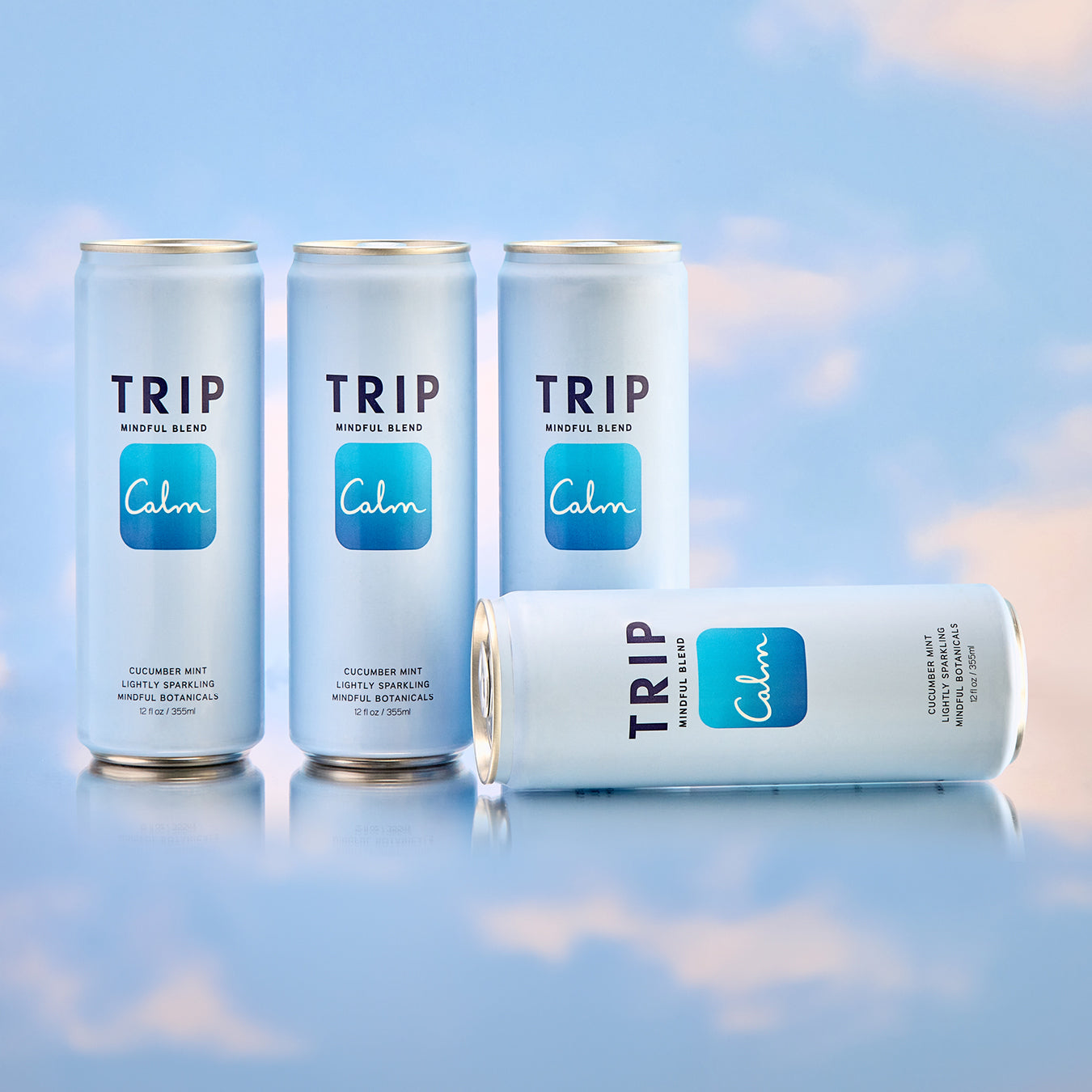


Electrolyte drinks and powders aren't exactly new, but they're no longer a sports-only product. They've gained popularity recently as more and more people adopt wellness-focused lifestyles. From gym bags to office desks to home refrigerators, many reach for these beverages throughout the day with various goals in mind.
But what are electrolytes, exactly? Why are they important for health, and how do you know which drinks are best? Find answers below in our guide on how to replenish electrolytes.
Key takeaways
- Electrolytes are essential minerals (sodium, potassium, magnesium, etc.) that support hydration, fluid balance, nerve function and bone and muscle health.
- You can get them from food sources, but replenishing electrolytes matters more after strenuous exercise, sweating and spending time outdoors in hot or humid weather.
- A well-formulated electrolyte powder or drink will contain a meaningful amount of these minerals, with minimal (or no) sugar and a flavor you look forward to drinking.
What are electrolytes and why are they important?
Electrolytes are essential minerals the body needs to function properly. They're called electrolytes because they carry an electric charge when dissolved in fluid—including water, blood and other fluids in the body.
Sodium, potassium, magnesium and calcium are the core electrolytes for fluid balance. But phosphate, bicarbonate and chloride also play important roles.1
These minerals are vital for maintaining an optimal balance of fluids, which matters for staying hydrated. Electrolytes are also critical to virtually every bodily system, including digestion and muscle, bone and nerve function.2 An electrolyte imbalance can affect how well those systems function.
What replenishing electrolytes means
Drinking water and eating a well-rounded diet can help you stay hydrated and maintain a healthy balance of electrolytes. But there are everyday moments when intake fluctuates or you lose electrolytes faster than usual, such as3,4,5:
- In very warm, humid or excessively dry weather
- After working out vigorously or when you sweat a lot
- After spending a long day outdoors
- On long travel days
- Amid a busy work schedule with limited time to plan healthy meals
In these cases, you might want to focus on replenishing electrolytes with functional drinks. Just remember, replenishment is about electrolyte balance with consistent intake through food and drink—correcting a short-term imbalance, not mega-dosing.
How to get electrolytes into your day
When you're figuring out how to stay hydrated, prioritize electrolytes from a variety of sources to support fluid balance and whole-body hydration:
- Foods – This includes water-rich fruits and vegetables, like watermelon, lettuce and citrus fruits, as well as foods containing potassium, calcium and magnesium.6 Think leafy greens, avocado, bananas, yogurt, nuts and seeds.7
- Hydrating drinks – Choose beverages with built-in electrolytes and minimal added sugar.8 Coconut water can also be a good option, as it's a natural source of potassium and sodium.9
- Functional beverages – You can also consider functional beverages, like TRIP's magnesium drinks, which pair electrolytes with other supportive nutrients to round out your wellness routine.
- Mineral-rich snacks – Roasted pumpkin seeds, almonds, veggies with hummus, dried fruit, toasted chickpeas, hard-boiled eggs and chia seed pudding are good for electrolytes and exercise recovery, as well as long days working or traveling.
What makes the best drink to replace electrolytes
Not every sports drink is built the same, so the label is worth a close read. Here's what to look for on the label when buying an electrolyte powder or drink10,11:
- A meaningful amount of electrolytes per serving (not trace amounts)
- No (or very little) added sugar
- No artificial sweeteners
- No synthetic colors
- A natural sweetener with negligible calories, such as stevia extract
- Bonus nutrients that support a broader wellness routine (vitamins, minerals, adaptogens, etc.)
- A flavor you'll actually want to drink daily
What is the best drink to replace electrolytes?
The best drink to replace electrolytes checks all of the above boxes. But there's no one-size-fits-all option. It comes down to your personal wellness goals, taste preferences and daily routine.
That said, TRIP's electrolyte powder offers 950 milligrams (mg) of naturally sourced electrolytes per serving, plus ashwagandha and vitamins D3 and K2. With no synthetic colors, zero added sugar and plant-based sweetness from stevia, it's thoughtfully formulated to support:*
- Electrolyte balance and daily hydration
- Immune function
- Healthy sleep
- Heart, nerve and bone health
- Muscle relaxation
- Sense of calm
You can mix this electrolyte blend with cold water and drink it as-is or enjoy it over ice. The flavor is peach yuzu—deliciously juicy with an iced tea vibe.
Making electrolytes part of a balanced wellness routine
Electrolytes support fluid balance, hydration and whole-body health.* Prioritizing these essential minerals is about consistent habits, not overloading with a mega-dose. Layer electrolytes into existing habits, stacking them with your morning water, midday snack, post-exercise refresh or evening wind-down.
The best electrolyte drinks are those that fit your taste preferences, lifestyle and wellness goals. Look for options with clean ingredients and little to no sugar in a flavor and format you enjoy.
TRIP'S functional adaptogenic drinks and easy-to-mix magnesium powder are stellar choices if you're still exploring your options.
*These statements have not been evaluated by the Food and Drug Administration. This product is not intended to diagnose, treat, cure or prevent any disease.
Sources:
- National Library of Medicine. Fluid and Electrolyte Balance. https://medlineplus.gov/fluidandelectrolytebalance.html. Accessed on July 15, 2026.
- National Center for Biotechnology Information (NCBI). Electrolytes. https://www.ncbi.nlm.nih.gov/books/NBK541123/. Accessed on July 15, 2026.
- Nutrition Reviews. Water, Hydration and Health. https://pmc.ncbi.nlm.nih.gov/articles/PMC2908954/. Accessed on July 15, 2026.
- Journal of Occupational and Environmental Medicine. Electrolyte Beverage Intake to Promote Hydration and Maintain Kidney Function in Guatemalan Sugarcane Workers Laboring in Hot Conditions. https://journals.lww.com/joem/fulltext/2020/12000/electrolyte_beverage_intake_to_promote_hydration.21.aspx. Accessed on July 15, 2026.
- Applied Sciences. Effects of Electrolyte Supplements on Body Water Homeostasis and Exercise Performance during Exhaustive Exercise. https://www.mdpi.com/2076-3417/11/19/9093. Accessed on July 15, 2026.
- Nutrients. Contribution of Water from Food and Fluids to Total Water Intake: Analysis of a French and UK Population Surveys. https://pmc.ncbi.nlm.nih.gov/articles/PMC5084017/. Accessed on July 15, 2026.
- Nutrients. Electrolyte Intake and Major Food Sources of Sodium, Potassium, Calcium and Magnesium among a Population in Western Austria. https://pmc.ncbi.nlm.nih.gov/articles/PMC7400604/. Accessed on July 15, 2026.
- Nutrients. The Beverage Hydration Index: Influence of Electrolytes, Carbohydrate and Protein. https://pmc.ncbi.nlm.nih.gov/articles/PMC8465972/. Accessed on July 15, 2026.
- Journal of the International Society of Sports Nutrition. Comparison of coconut water and a carbohydrate-electrolyte sport drink on measures of hydration and physical performance in exercise-trained men. https://pmc.ncbi.nlm.nih.gov/articles/PMC3293068/. Accessed on July 15, 2026.
- The American Journal of Clinical Nutrition. A randomized trial to assess the potential of different beverages to affect hydration status: development of a beverage hydration index. https://www.sciencedirect.com/science/article/pii/S000291652206556X. Accessed on July 15, 2026.
- Centers for Disease Control and Prevention (CDC). About Water and Healthier Drinks. https://www.cdc.gov/healthy-weight-growth/water-healthy-drinks/index.html. Accessed on July 15, 2026.