



We probably don't need to tell you that drinking water is good for you. But even though it's one of the simplest wellness habits, hydration is easy to push aside when you have other priorities, a busy schedule or little time to plan ahead.
Still, hydration is foundational to whole-body health. You can usually rehydrate quickly by guzzling water, but maintaining it for the long term will take some commitment. Don't worry, though. It's not hard—you just have to make hydration part of your lifestyle.
Ahead, find helpful tips for how to stay hydrated (beyond just upping your water intake).
Key Takeaways
- Hydration involves drinking enough water throughout the day and getting electrolytes (magnesium, potassium and sodium) through food and supplements to support fluid balance.
- Daily habits can help, like drinking water with meals and supplements, eating water-rich fruit, keeping a reusable water bottle with you and winding down with an electrolyte drink.
- TRIP offers functional beverages and easy-to-mix drink powders to make staying hydrated more delicious (and enjoyable) while supporting electrolyte balance.
Why hydration matters
Hydration matters because the human body is made up of roughly 60% water. Staying hydrated is crucial for:
- Regulating body temperature
- Supporting digestion
- Flushing out waste
- Lubricating joints
- Protecting tissues
- Sending oxygen and nutrients to cells
It can also help you feel generally better throughout the day by supporting clear thinking and better moods while fending off fatigue.* On the other hand, when you’re dehydrated, your body loses more water than it takes in, which may bring a sense of thirst and dizziness.
What "staying hydrated" actually means
Keeping your body hydrated involves maintaining an optimal balance of fluids. This means drinking enough water and getting enough essential electrolytes (specifically sodium, potassium and magnesium) to help your cells, organs and bodily systems function properly.,
A balance of macronutrients can support fluid balance, too. This means eating meals with fiber-rich carbohydrates, healthy fats and lean protein.
Though it's rare, there is such a thing as drinking too much water. Water intoxication (hyponatremia) can overload brain cells and overwhelm the kidneys, among other concerns. It's different for everyone, but most people should drink between 64 and 124 ounces of water a day.
When water alone may check all the boxes
Plain water alone isn't always the best option for replenishing lost fluids, especially when you've been exercising vigorously, sweating a lot or spending time outdoors in the heat or humidity., How much fluid you lose this way can add up quickly, and while sports drinks are a common way to replace it, many carry more sugar than you need.
In some cases, you might consider an electrolyte drink to support hydration and electrolyte balance in your body.* Remember, hydration is highly individual—your body size, your activity level, the climate and your routine all play a role.
The best ways to stay hydrated throughout the day
These practical daily habits can help you maintain hydration:
- Drink water first thing – Start the morning with a glass of water before coffee.
- Get a reusable water bottle – Bring it everywhere with you and keep it visible throughout the day while you're working, exercising and unwinding.
- Use electrolytes – Add an electrolyte drink powder for workouts since electrolytes and exercise are closely linked.*
- Habit-stack hydration – Pair water with meals, snacks or daily supplements you take.
- Eat water-rich foods – Think fruits and vegetables like cucumber, watermelon, cantaloupe, lettuce, citrus fruits and strawberries.,
- Eat balanced meals – Aim to eat a healthy balance of protein, fats and carbs every day.
- Make it fun – Add flavor to plain water if it feels boring. Use fruit slices (or DIY fruit ice cubes) or mix in a tasty low-sugar powder.
Hydration habit builder
Use this chart to build and maintain daily hydration habits.
|
Morning |
Midday |
Afternoon |
Evening |
|
Water (8+ oz, before coffee) |
8 oz water with supplements |
Take regular sips from water bottle |
Water with balanced dinner |
|
Water with a balanced breakfast (carb, fat, protein) |
Take regular sips from water bottle |
Snack on water-rich fruit |
Wind down with functional drink |
|
Fill water bottle |
Water with balanced lunch |
Electrolyte drink with workout |
Water with evening supplements |
How to make hydration a habit you actually enjoy
Hydration isn't necessarily hard, and yet prioritizing it can be challenging. That's why flavor and variety matter. People drink more when the drink is enjoyable.
For many, figuring out how to stay hydrated means finding ways to zhuzh up plain water and discovering not-too-sugary drinks with health benefits.
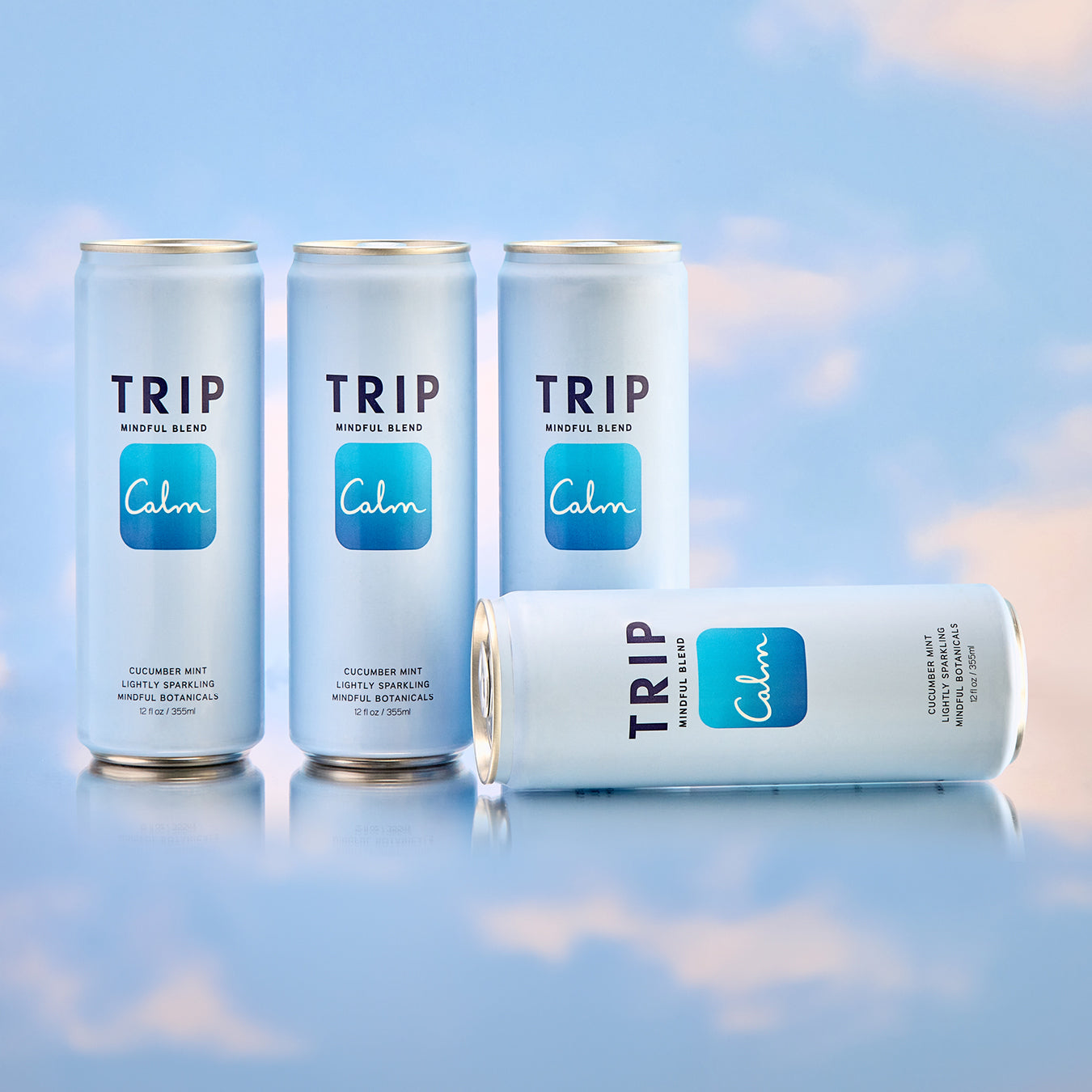
For instance, TRIP's functional magnesium drinks act as a modern hydration tool. The low-sugar, lightly sparkling formulas are only about 25 calories per can, with added nutrients and no synthetic colors. These are great for supporting hydration when you crave a refreshing flavor during the afternoon slump.
If you're figuring out how to replenish electrolytes, an electrolyte powder is another option. This mixable blend contains pink Himalayan salt (for sodium), multiple forms of magnesium and potassium, plus adaptogens and vitamin D3. It's got a juicy peach flavor with a hint of citrus—and no added sugar. Combine it with a glass of cold water and drink it whenever you like to support hydration.*
Building a hydration routine that sticks
Hydration is important, but you don't need to chug water all day. The best way to stay hydrated is with a routine you'll keep up long-term, so aim for consistency and balance rather than intensity.
Pair water with other daily habits, like supplements, a morning walk or a post-workout wind-down. If plain water isn't your favorite, add sliced fruit, flavored ice or delicious pomegranate magnesium powder.
You can also try ready-to-sip adaptogenic drinks from TRIP. These tasty functional beverages contain magnesium, lion's mane, ashwagandha and other nutrients to round out your wellness routine.
*These statements have not been evaluated by the Food and Drug Administration. This product is not intended to diagnose, treat, cure or prevent any disease.
Sources:
- United States Geological Survey (USGS). The Water in You: Water and the Human Body. https://www.usgs.gov/water-science-school/science/water-you-water-and-human-body. Accessed on July 15, 2026.
- Centers for Disease Control and Prevention (CDC). About Water and Healthier Drinks. https://www.cdc.gov/healthy-weight-growth/water-healthy-drinks/index.html. Accessed on July 15, 2026.
- Nutrients. Narrative Review of Hydration and Selected Health Outcomes in the General Population. https://pmc.ncbi.nlm.nih.gov/articles/PMC6356561/. Accessed on July 15, 2026.
- National Center for Biotechnology Information (NCBI). Water Toxicity. https://www.ncbi.nlm.nih.gov/books/NBK537231/. Accessed on July 15, 2026.
- Nutrients. Water Intake, Water Balance, and the Elusive Daily Water Requirement. https://pmc.ncbi.nlm.nih.gov/articles/PMC6315424/. Accessed on July 15, 2026.
- National Institutes of Health (NIH). Hydrating for Health: Why Drinking Water Is So Important. https://newsinhealth.nih.gov/2023/05/hydrating-health. Accessed on July 15, 2026.
- Nutrition Reviews. Water, Hydration and Health. https://pmc.ncbi.nlm.nih.gov/articles/PMC2908954/. Accessed on July 15, 2026.
- Nutrients. Contribution of Water from Food and Fluids to Total Water Intake: Analysis of a French and UK Population Surveys. https://pmc.ncbi.nlm.nih.gov/articles/PMC5084017/. Accessed on July 15, 2026.
- Nutrients. The Beverage Hydration Index: Influence of Electrolytes, Carbohydrate and Protein. https://pmc.ncbi.nlm.nih.gov/articles/PMC8465972/. Accessed on July 15, 2026.
- Applied Sciences. Effects of Electrolyte Supplements on Body Water Homeostasis and Exercise Performance during Exhaustive Exercise. https://www.mdpi.com/2076-3417/11/19/9093. Accessed on July 15, 2026.
- The American Journal of Clinical Nutrition. A randomized trial to assess the potential of different beverages to affect hydration status: development of a beverage hydration index. https://www.sciencedirect.com/science/article/pii/S000291652206556X. Accessed on July 15, 2026.
- Journal of Occupational and Environmental Medicine. Electrolyte Beverage Intake to Promote Hydration and Maintain Kidney Function in Guatemalan Sugarcane Workers Laboring in Hot Conditions. https://journals.lww.com/joem/fulltext/2020/12000/electrolyte_beverage_intake_to_promote_hydration.21.aspx. Accessed on July 15, 2026.